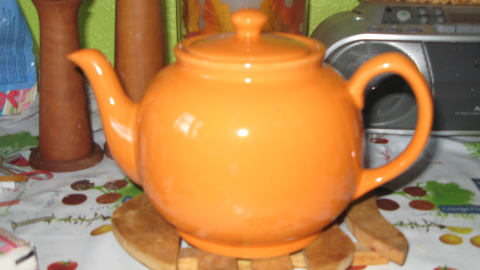
Tea is made from the plant Camellia sinensis using fresh or treated leaves. Rarely another species from the same genus may also be used. And that's it. Anything made from flowers, herbs berries etc is an infusion, also called a tisane. Once tisanes were made using barley water, but this meaning has more or less died out, although you may be able to get barley water in squash form in shops.
Tee wird nur aus den frischen oder behandelten Blättern der Pflanzen aus der Camellia -Genus hergestellt. Hauptsächlich Camellia sinensis. Alles sonst is kein Tee. Auch wenn so genannt.
Tee wird nur aus den frischen oder behandelten Blättern der Pflanzen aus der Camellia -Genus hergestellt. Hauptsächlich Camellia sinensis. Alles sonst is kein Tee. Auch wenn so genannt.
Black to White
Differences in sorts of tea has all to do with the degree of oxidation.
- Max- Black
- Partly- Oolong
- Not- Green, Yellow and White
Why Milk?
Milk removes the bitterness by binding with certain chemicals, That's why it should always go in first, at higher concentrations of milk relative to tea it works better.
Flavourings
THere are some traditional additives such as citrus. Early Grey has Bergamot, as often do Turkish teas. Moroccan tea has mint in it. The rest is probably part marketing and part selling aromatised poorer quality tea at higher prices.
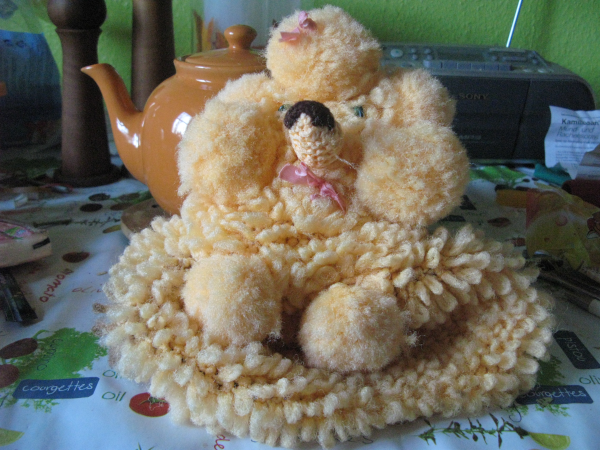
In the British Isles, one tends to keep tea warm with a tea cosy, this example was knitted by someone at home and bought from a 'bring and buy sale'. There are lots of commercially available cosies to fit your decor. In Germany a little heated stove using a 'tea light', a sort of candle, tends to be more common.
Tea- the Meal
Clarification- bit like cricket (and when they are out, they go in for tea)- it is complicated. In Germany, High Tea is something the British would call Afternoon Tea. High Tea for me is a proper meal, earlier than usual for an evening meal, with a main course hot or an extensive salad with cold cuts at table, followed by cake/ petits fours. Tea would be drunk with the meal.